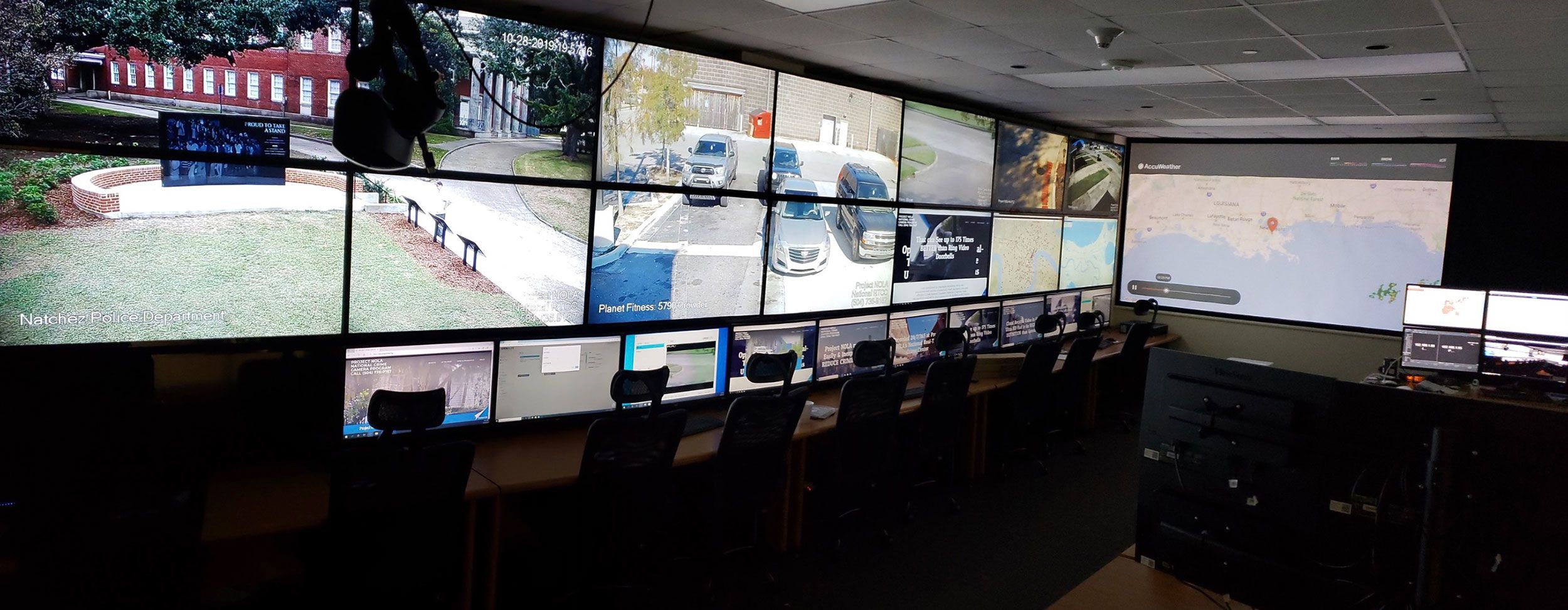
Project NOLA is a spy network. It is a private nonprofit corporation running America’s first known live facial recognition system — with over 5,000 cameras monitoring New Orleans. Founded in 2009 by former NOPD officer Bryan Lagarde, it evolved from a post-Katrina crime initiative into a massive surveillance network operating outside public oversight.
The system scans faces continuously in public spaces, especially the French Quarter. A single camera can scan thousands of faces across several city blocks. Camera footage is saved and is searchable for at least 30 days. When someone on Project NOLA’s “hot lists” appears, alerts notify staff who track their movements. For years, these alerts pinged directly to police officers’ phones with names and locations of matches—automatically, in real time.
The problem: In 2022, New Orleans banned facial recognition except for specific violent crime investigations. The ordinance requires police to send still images to state examiners and report each use to the city council. Project NOLA’s real-time alerts violated all these requirements.
When the Washington Post exposed this in May 2025, NOPD paused the automated alerts. But Project NOLA still sends police “unsolicited tips” via calls, texts, and emails. This creates a shell game — using a private intermediary to circumvent constitutional protections requiring warrants for continuous tracking.
Project NOLA’s database includes over 30,000 “local suspected and known criminals.” Lagarde, who pays himself $220,000 annually, decides unilaterally who to track. Project NOLA has zero oversight or accountability. Officers rarely disclosed facial recognition use in police reports, and none appeared in mandatory city council reports. Lagarde and NOPD can look back at least 30 days to follow anyone through their life across New Orleans.
The infrastructure runs on Chinese software from Dahua—banned in 2022 over espionage concerns. NOPD, which receives millions in federal funds, is subject to this ban. Officers installed Dahua’s app on their phones and NOPD workstations.
New Orleans has defaulted to privatized mass surveillance outside democratic control or constitutional constraints. As ACLU attorney Nathan Freed Wessler warned: “This is the facial recognition technology nightmare scenario that we have been worried about. This is the government giving itself the power to track anyone — for that matter, everyone — as we go about our lives walking around in public.”
